HMRC to raid bank accounts for unpaid tax
HMRC is restarting the use of direct debt recovery for individuals and businesses who choose not to pay the tax they owe despite having the means to do so. Who’s in the firing line?
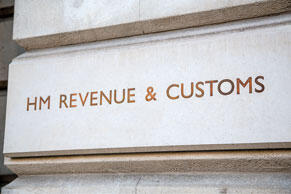
Direct debt recovery (DRD) is nothing new, though its use was paused during the pandemic. It is now being relaunched to recover debts over £1,000, subject to various safeguarding rules. For example, it can only be used where the debtor has received a face-to-face visit from HMRC agents (having ignored previous correspondence), has not been identified as vulnerable, has sufficient money in the bank and still refuses to pay their debts.
Given the strict criteria it is expected that HMRC will use these powers sparingly, as it did prior to the pandemic. If you’re struggling to pay your tax bill, contact HMRC as soon as possible to ask about setting up a payment plan.
Related Topics
-
Payroll changes for 2026/27
As the end of 2025/26 draws closer, HMRC has published a raft of updates and reminders for employers. Which changes do you need to be aware of that might impact your payroll in 2026/27?
-
Can you beat the bonus tax trap?
A fellow director has asked whether his bonus payment can be delayed until after 5 April 2026 to reduce his personal tax bill. Does his plan work and, if so, how does it impact the company’s tax position?
-
HMRC publishes penalty guidance for MTD IT
HMRC has published guidance on how penalties will apply under Making Tax Digital for Income Tax (MTD IT). With mandation approaching from April 2026, what do you need to know about the new regime?